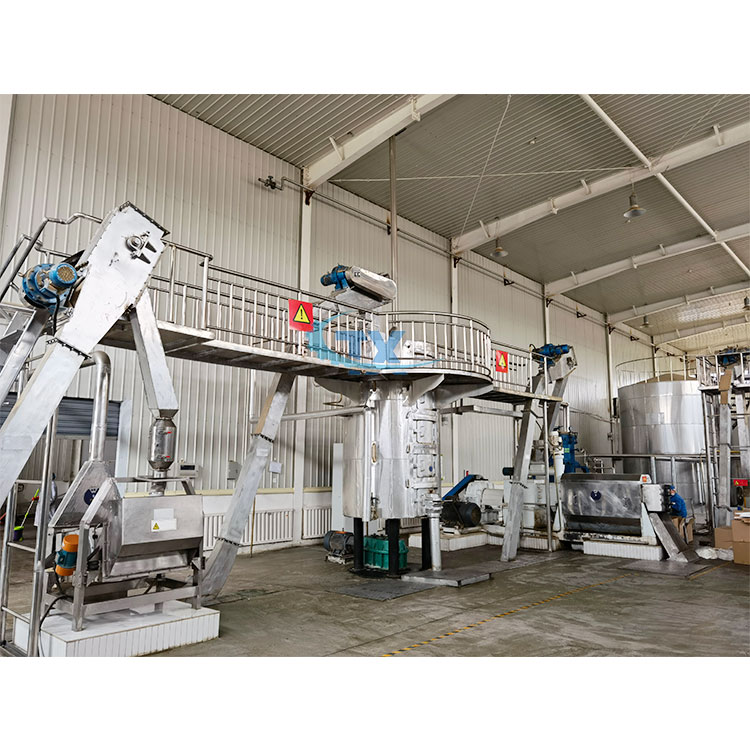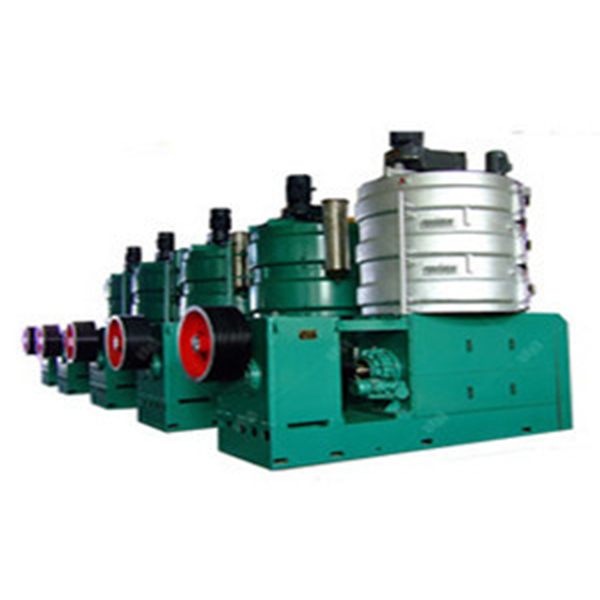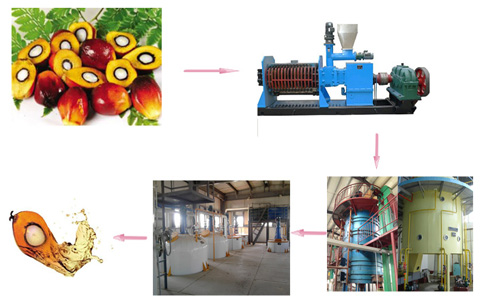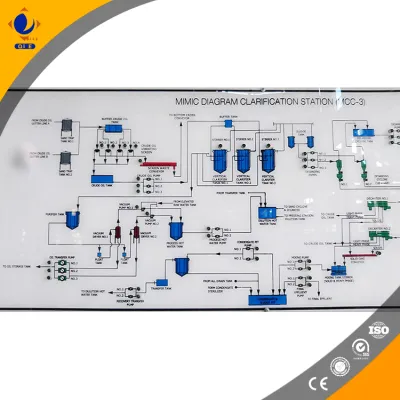
Choosing the right extraction technology is pivotal for sesame oil manufacturers aiming to balance product quality, operational efficiency, and environmental compliance. This article conducts a thorough comparison of the three leading sesame oil extraction methods — cold press, hot press, and solvent extraction — tailored to the requirements of both small to medium-sized and large-scale factories. By integrating production data, operational considerations, and real-world case examples, we equip technical leaders and decision-makers with an actionable framework to optimize output and guarantee quality.
| Extraction Method | Oil Yield (%) | Nutrient Retention | Energy Consumption | Equipment Complexity | Environmental Impact |
|---|---|---|---|---|---|
| Cold Press | 35-40% | High (Rich in antioxidants) | Low | Low | Minimal (No chemicals) |
| Hot Press | 45-50% | Moderate (Heat-sensitive nutrients reduced) | Medium | Moderate | Medium (Steam and heat waste) |
| Solvent Extraction | 50-55% | Low (Possible residual solvents) | High | High | Significant (Solvent emissions) |
Different extraction methods align better with diverse operational scales and market strategies. The following decision matrix facilitates a tailored approach:
| Factory Scale | Recommended Extraction Method | Rationale |
|---|---|---|
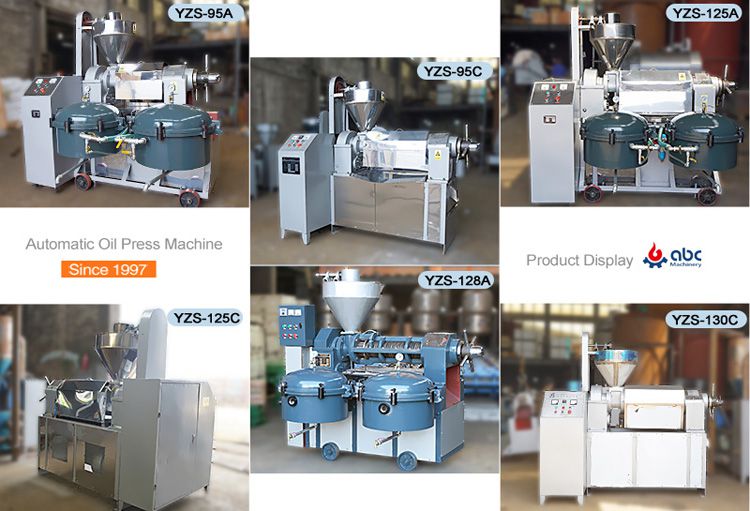
| Small to Medium (up to 5 tons/day) | Cold Press | Best for premium, organic, and health-focused products with minimal capital and simple workflows. |
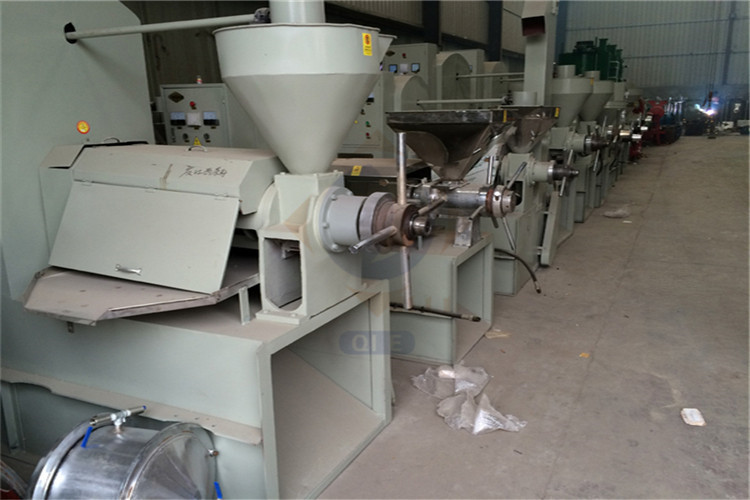
| Medium to Large (5-20 tons/day) | Hot Press | Balanced yield and moderate energy efficiency suitable for mainstream products with controlled costs. |
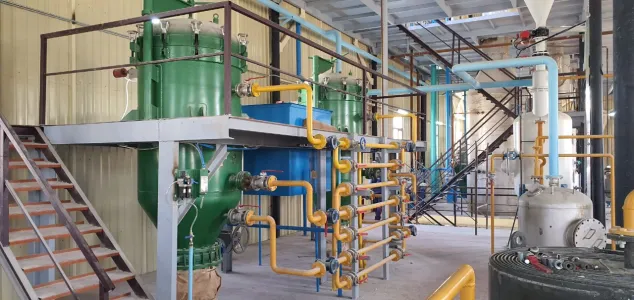
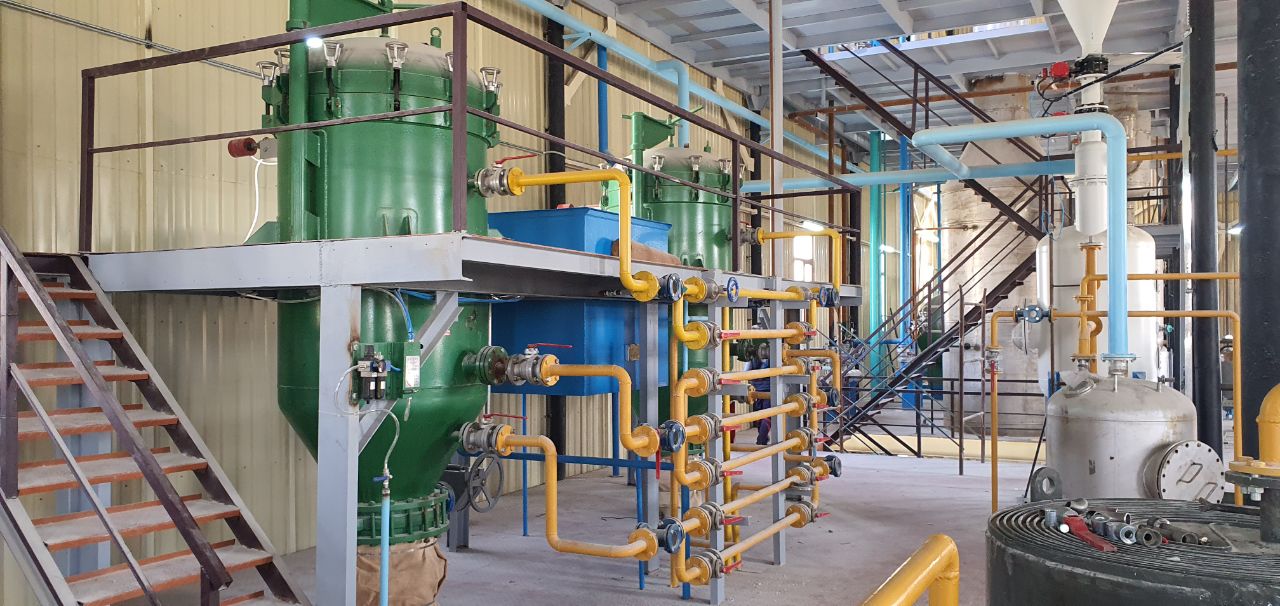
| Large Scale (20+ tons/day) | Solvent Extraction | Maximizes output for industrial production, typically for bulk oil used in food industries, albeit with higher capital and environmental expenses. |
This framework precisely integrates operational priorities like output volume, product purity, and compliance. Such clarity aids manufacturers in avoiding costly technology mismatches.
A mid-sized sesame oil producer in California, initially operating with a hot press line scaled for 10 tons/day, recently integrated a cold press system to meet growing demand for organic-certified, cold-pressed sesame oil. Results observed over six months include:
The transition exemplifies how adapting extraction technology to emerging market trends can unlock new revenue streams and improve sustainability without compromising operational efficiency.
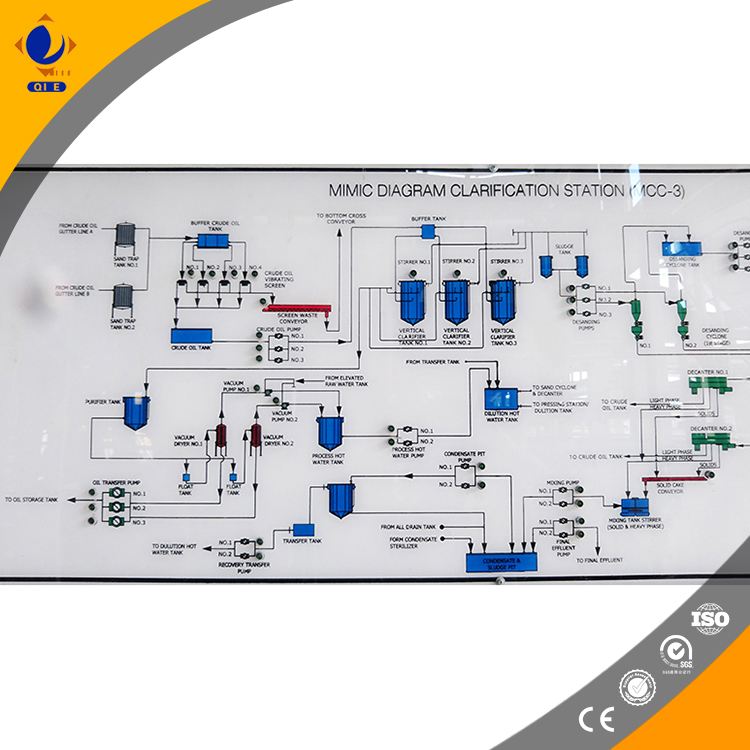
Beyond yield and quality, environmental footprint and process complexity weigh heavily in method selection:
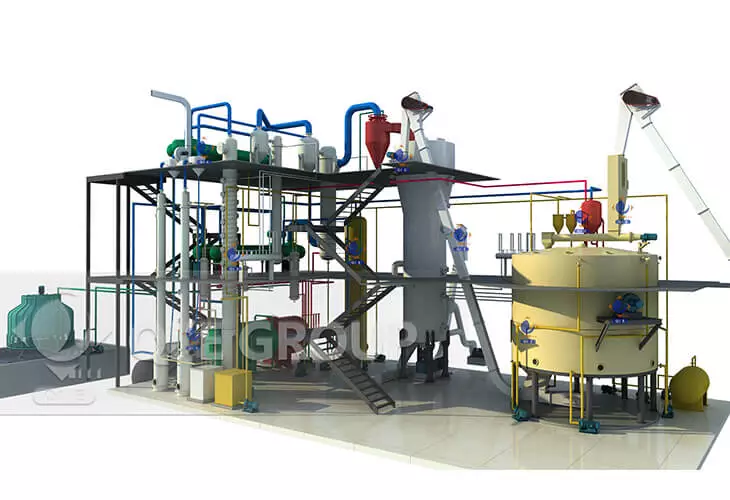
The following decision model integrates key metrics to aid factories in scientifically selecting extraction methods suited to their business demands:
| Criteria | Weight (%) | Cold Press Score | Hot Press Score | Solvent Extraction Score |
|---|---|---|---|---|
| Oil Yield | 30% | 6 | 8 | 10 |
| Nutrient Quality | 25% | 9 | 6 | 4 |
| Energy Efficiency | 20% | 8 | 6 | 4 |
| Environmental Impact | 15% | 10 | 6 | 3 |
| Equipment Complexity | 10% | 9 | 7 | 5 |
Scores are based on industry benchmarks and operational feedback. Selecting a method aligning with weighted priorities leads to higher ROI and strategic differentiation.
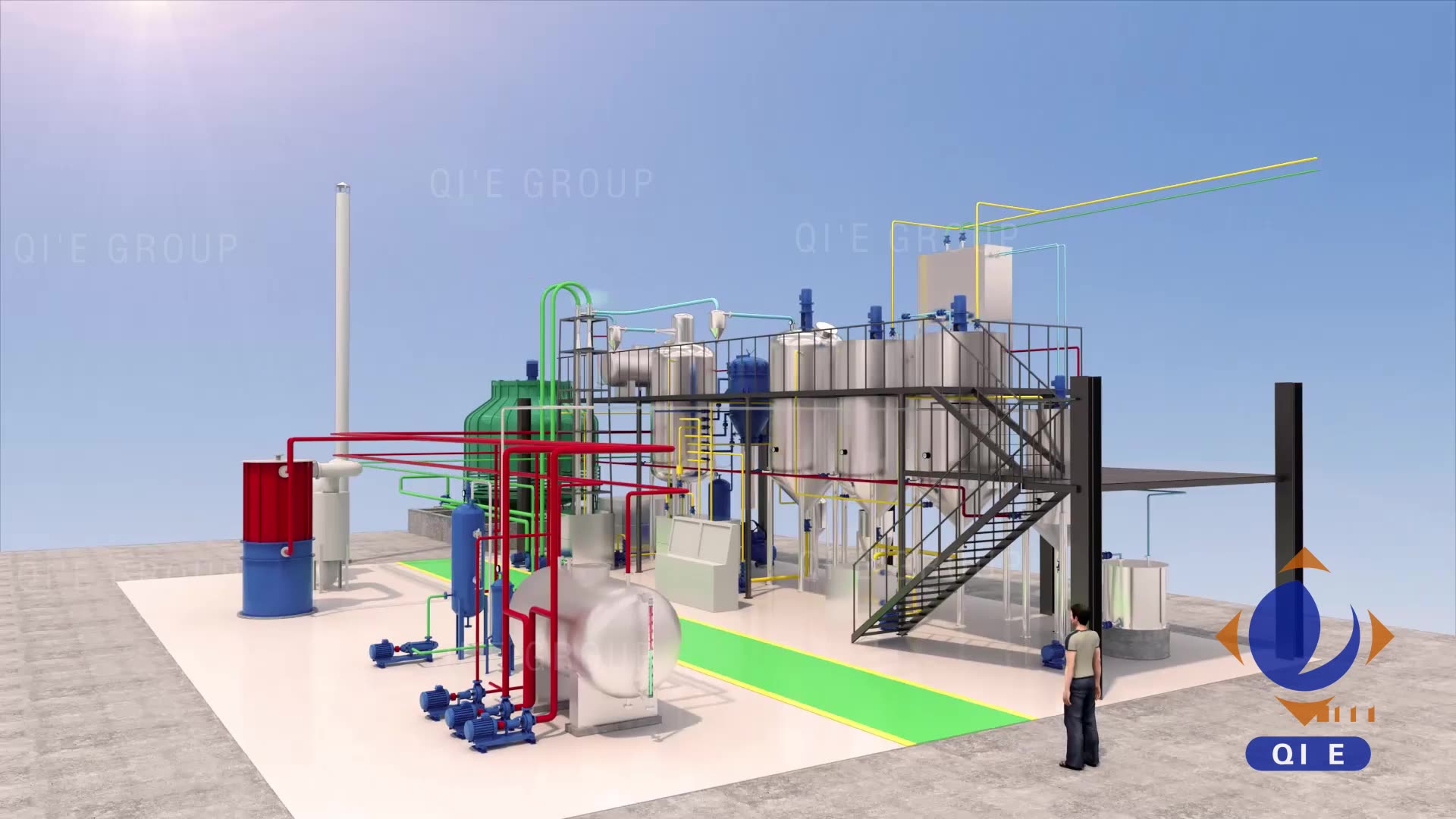
Understanding the intricate balance between yield, oil quality, equipment investment, and ecological responsibility is critical in today’s competitive sesame oil market. This detailed analysis, enriched with quantitative comparisons and proven client experiences, empowers sesame oil factories to innovate while safeguarding product integrity.

 223
|
223
|
 multi-purpose screw oil press
modular pressing chamber
energy-saving motor
automatic residue discharge
grain oil processing equipment
multi-purpose screw oil press
modular pressing chamber
energy-saving motor
automatic residue discharge
grain oil processing equipment
 187
|
Sesame oil oxidation prevention techniques
Home - based oil pressing anti - spoilage
Cold - pressed sesame oil storage methods
Sesame oil shelf life extension
Small - scale sesame oil production tutorial
316
|
Home sesame oil production tutorial
Cold - pressing oil equipment recommendation
Sesame oil home production skills
Small workshop oil extraction methods
Sesame oil anti - oxidation storage
187
|
Sesame oil oxidation prevention techniques
Home - based oil pressing anti - spoilage
Cold - pressed sesame oil storage methods
Sesame oil shelf life extension
Small - scale sesame oil production tutorial
316
|
Home sesame oil production tutorial
Cold - pressing oil equipment recommendation
Sesame oil home production skills
Small workshop oil extraction methods
Sesame oil anti - oxidation storage
 463
|
industrial
sesame
oil
solvent
extraction,sesame
oil
yield
optimization,oilseed
extraction
process
and
equipment,solvent
residue
testing
and
control,environmental
compliance
for
edible
oil
plants
324
|
Sesame oil raw material selection
Home oil extraction techniques
Cold - pressed sesame oil
Sesame oil quality inspection
Small - scale sesame oil production
463
|
industrial
sesame
oil
solvent
extraction,sesame
oil
yield
optimization,oilseed
extraction
process
and
equipment,solvent
residue
testing
and
control,environmental
compliance
for
edible
oil
plants
324
|
Sesame oil raw material selection
Home oil extraction techniques
Cold - pressed sesame oil
Sesame oil quality inspection
Small - scale sesame oil production






.jpg?x-oss-process=image/resize,m_fill,h_300,w_300/format,webp)