Selecting edible oil processing equipment is a production-planning decision rather than simply a machine purchase. The right configuration should match the oilseed or oil-bearing material, planned throughput, processing route, product quality objectives, operating conditions, and future expansion plans. A well-matched oil pressing, extraction, and refining system can help processors establish a clearer and more manageable production workflow.
Qi'e Grain and Oil Machinery Co., Ltd. supports oil processing companies and project investors with equipment and integrated solutions for oil pressing, solvent extraction, and edible oil refining. Its equipment portfolio can be configured for a range of oil sources, including soybean, palm fruit and palm kernel, sunflower seed, sesame, and other vegetable oil materials.
Raw material characteristics determine the core process and the equipment required. Oil content, moisture, fiber level, shell content, impurity level, and desired oil quality can all affect preparation, pressing, extraction, filtration, and refining arrangements. For example, oilseeds and oil-bearing fruits may require different pretreatment conditions before oil recovery begins.
Suitable where a physical pressing route is preferred. A pressing line may include cleaning, conditioning, crushing or flaking where applicable, pressing, and oil clarification steps.
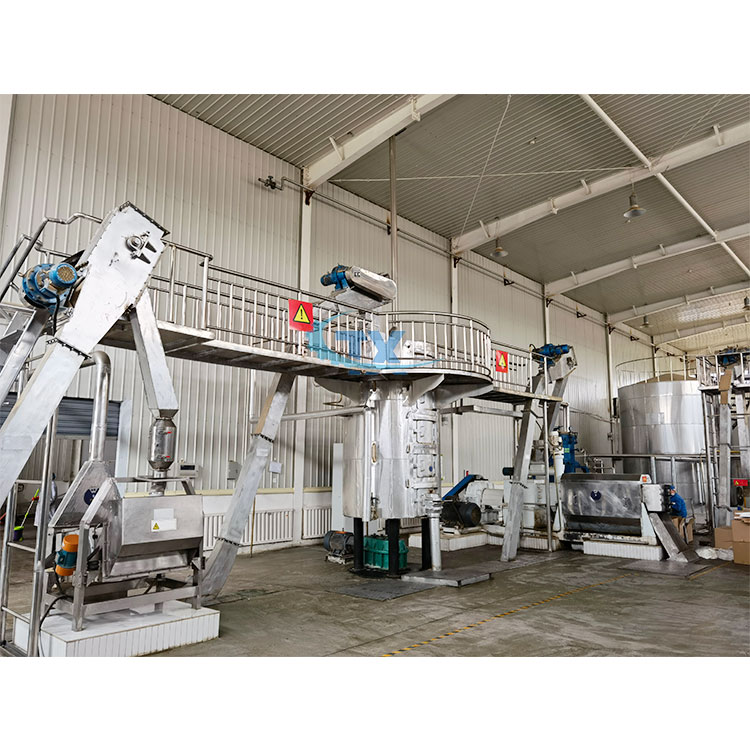
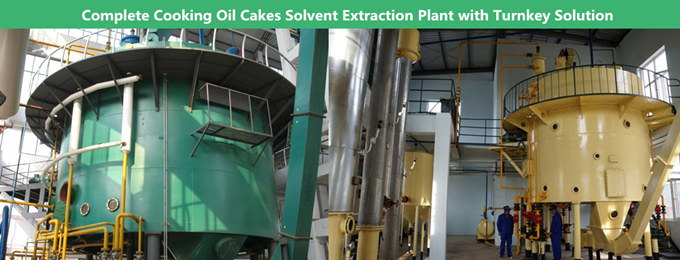
Often considered when the selected processing route requires extraction equipment. The complete system should be evaluated with attention to process control, safety requirements, material handling, and downstream oil treatment.
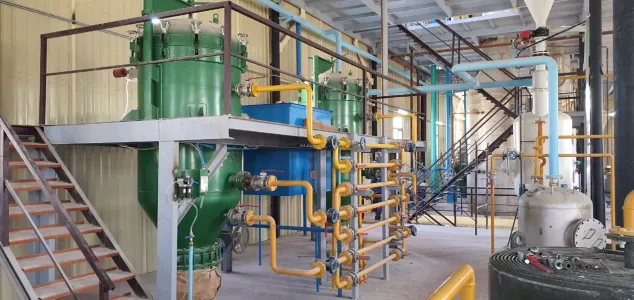
Refining equipment is selected according to crude oil condition and finished-oil requirements. The process may be designed to support the required treatment stages for the intended market and product specification.
Production capacity should be assessed as a complete line requirement. The capacity of a press or extractor alone does not define line performance; feeding, pretreatment, conveying, oil clarification, storage, refining, and packaging arrangements should be considered together. A balanced configuration helps reduce avoidable bottlenecks between process stages.
| Planning Factor | What to Evaluate | Equipment Selection Implication |
|---|---|---|
| Target throughput | Daily or shift-based processing plan, operating hours, and expected material supply. | Size core machines and auxiliary systems as a coordinated production line. |
| Plant scale | Whether the project is a small oil mill, an expansion project, or an industrial processing facility. | Choose a practical layout and level of integration for the available site and investment scope. |
| Material variability | Seasonal changes, impurity levels, moisture, and differences among raw material batches. | Include appropriate cleaning, preparation, and process-adjustment capability. |
| Expansion plans | Potential future increases in volume, product range, or refining requirements. | Consider layouts that allow orderly upgrades or additional process modules. |
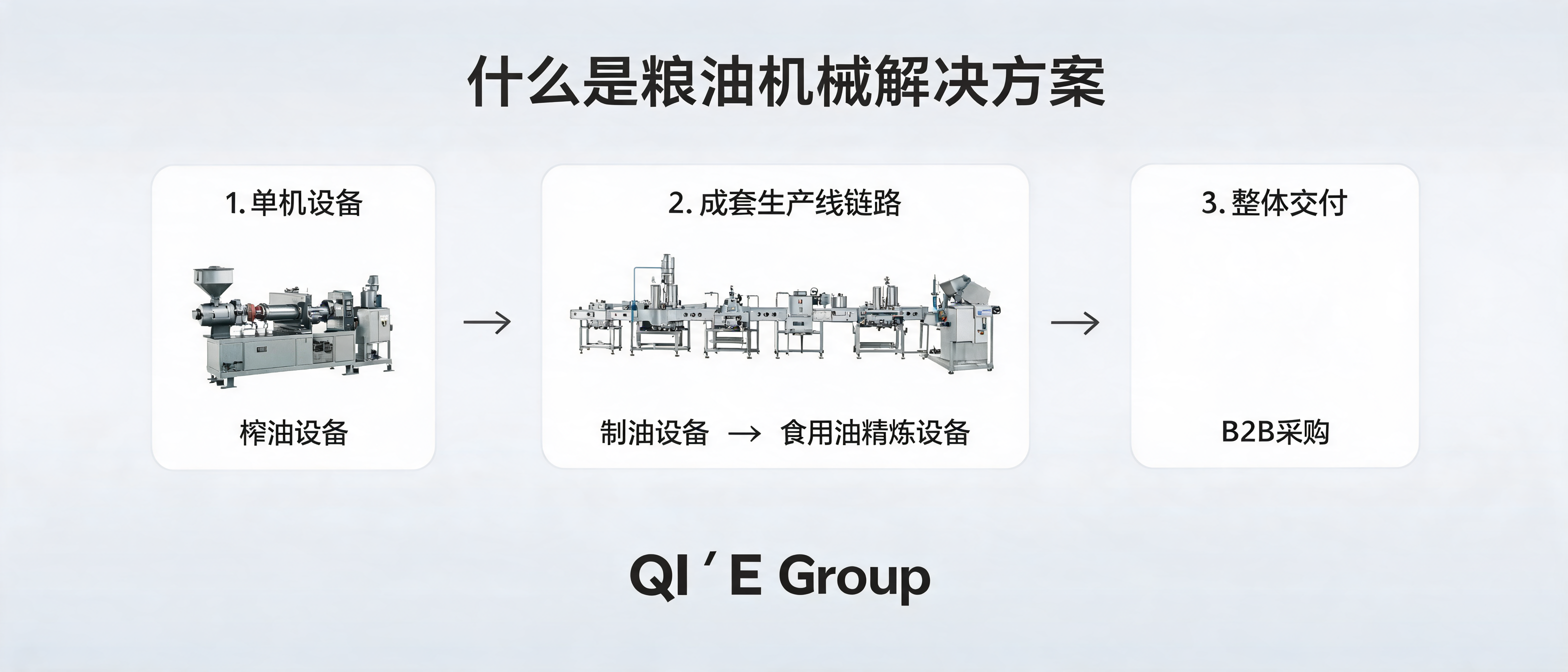
An edible oil production line is a connected system. Selecting a press, extractor, or refinery should include the equipment and controls needed before and after the main processing stage. The exact sequence depends on the raw material and selected process route.
Automation should be selected according to the plant’s operating model, staff capability, production consistency requirements, and budget. Higher integration may support coordinated monitoring and material transfer, while a simpler configuration may be suitable for projects with a more focused operating scope. The appropriate choice is one that the operating team can manage safely and reliably over time.
Identify the key operating points that need monitoring, including feeding, temperature-related conditions where relevant, material flow, and process continuity.
Confirm available utilities, workshop dimensions, access for installation, ventilation, and logistics routes before finalizing the equipment layout.
Consider installation support, operator guidance, routine maintenance access, and the practical availability of replacement parts for long-term operation.
The required refining configuration depends on the condition of the crude oil, the intended edible oil product, and the quality expectations of the target market. Refining should therefore be planned as part of the overall oil production line, not as an isolated decision made after pressing or extraction equipment has been selected.
Practical selection principle: define the desired finished-oil specification first, then work backward through refining, clarification, oil recovery, pretreatment, and raw material handling to establish a consistent process solution.
Qi'e Grain and Oil Machinery Co., Ltd. provides oil pressing equipment, oil production line equipment, and edible oil refining equipment for B2B processing projects. The company’s approach combines equipment selection with process-oriented planning, including design, installation support, and technical service considerations.
For a more relevant equipment proposal, prepare your raw material type, intended capacity, preferred processing route, target finished product, site information, and project budget range. These inputs provide a practical basis for evaluating a suitable edible oil processing equipment configuration.

 491
|
 Qi'e Grain and Oil Machinery Co., Ltd. grain and oil machinery turnkey equipment oil production line single machine vs system solution B2B equipment knowledge
 468
|
industrial sesame oil solvent extraction,sesame oil yield optimization,oilseed extraction process and equipment,solvent residue testing and control,environmental compliance for edible oil plants
 47
|
solvent extraction sesame oil equipment maintenance desolventizing temperature control solvent circulation optimization industrial oil press troubleshooting oil quality stability
 290
|
Qi'e Grain and Oil Machinery Co., Ltd. grain and oil machinery company oil processing project partnership equipment supplier evaluation oil production line integration
 114
|
solvent extracted sesame oil maintenance desolventizing temperature control reduce residual solvent in edible oil solvent recovery loop efficiency oil extraction equipment troubleshooting