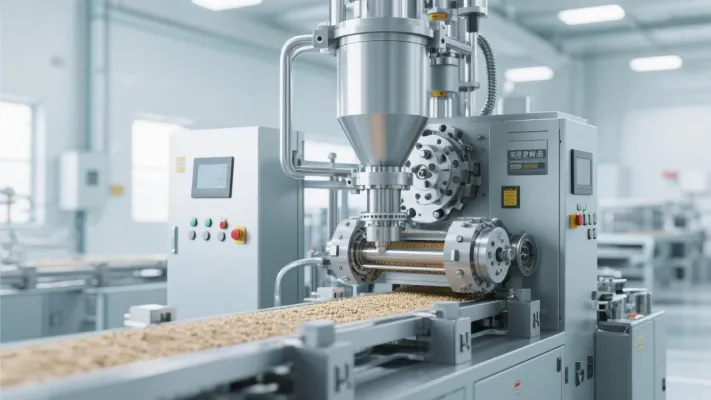
If you're starting a sesame oil business—whether it’s a home kitchen project or a small workshop—you need more than just a machine. You need reliability, efficiency, and smart design that scales with your growth. Let’s cut through the noise and focus on what really matters when choosing a small sesame oil press.
For beginners, aim for an output range of 100–300 kg/hour. This is ideal for testing market demand without overextending your budget or space. A 500 kg/hour model might look impressive—but if you only produce 10 liters per day, you’ll waste energy, money, and maintenance time.
| Model Type | Capacity (kg/hr) | Best For |
|---|---|---|
| Compact Manual | 50–100 | Home use / trial batches |
| Electric Cold Press | 150–300 | Small commercial kitchens |
| Industrial-Grade | 400–500 | Growing brands ready to scale |
Most users don’t realize cold pressing preserves up to 70% more antioxidants compared to traditional hot methods. That means better flavor, longer shelf life, and higher perceived value in premium markets like Europe and North America. If you’re targeting health-conscious buyers or selling online, cold press isn’t optional—it’s essential.
One user from Nigeria shared: “After switching to cold press, my customers asked why our oil tastes so smooth. I didn’t even know I was losing nutrients before!”
A reliable press should include:
These aren’t “nice-to-haves”—they’re critical for daily operation and avoiding costly downtime.
After every 10 hours of use, clean the screw shaft and filter screen with warm water and mild detergent. Store in a dry place—humidity is the silent killer of metal parts. And yes, we’ve seen machines last over 5 years with proper care.
Common issues? Here’s how to fix them fast:
You’re not alone in this journey. We’ve helped over 300 small producers across Southeast Asia, Africa, and Latin America get started—and many now export their oil to specialty stores in the U.S. and EU.
Ready to launch your own high-quality sesame oil brand? Get our free downloadable checklist: “5 Steps to Start Selling Cold-Pressed Sesame Oil Profitably.” Includes sample packaging ideas, compliance tips, and buyer outreach templates.
Download Now — No Email Required




.jpg?x-oss-process=image/resize,m_fill,h_300,w_300/format,webp)


