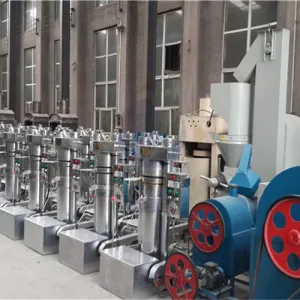
If you're launching a sesame oil venture—whether it's a home-based kitchen or a small commercial operation—you need more than just enthusiasm. You need a machine that delivers consistent quality, handles your daily output smoothly, and keeps safety top of mind.
For startups producing 100–500 kg per hour (about 20–100 liters), look for presses with adjustable screw speed and modular dies. A 1.5 kW single-phase motor can reliably handle up to 300 kg/hour in cold-press mode—a sweet spot for artisanal brands aiming for premium quality without over-investing.
| Production Range | Recommended Motor Type | Best Use Case |
|---|---|---|
| 100–250 kg/h | Single-phase 1.5 kW | Home kitchens, local markets |
| 250–500 kg/h | Three-phase 2.2 kW | Small factories, B2B suppliers |
Most beginners don’t realize that cold pressing preserves omega-3s and natural antioxidants better—ideal for health-conscious buyers. One user from Malaysia reported a 17% higher customer retention rate after switching from hot to cold press. The trade-off? Slightly lower yield (~10%), but superior taste and shelf life.
Pro tip: If you’re targeting European or North American buyers, cold-pressed labels are a must—they pay attention to processing methods.
Look for machines with:
A real-world example: A Turkish producer avoided a major accident when his press automatically shut down during a jam—thanks to built-in overload sensors. That kind of reliability builds trust fast.
After every 50 hours of use, clean the screw shaft and replace the filter screen. Most users miss this step—and end up with inconsistent oil clarity. We recommend a simple checklist:
Need help? Watch our quick-start video guide on YouTube—it walks through setup, cleaning, and troubleshooting in under 5 minutes.
Still unsure which model fits your needs? Let’s talk. Whether you're scaling from a kitchen to a factory, we’ve helped over 200 small producers choose the right equipment—and avoid costly mistakes.