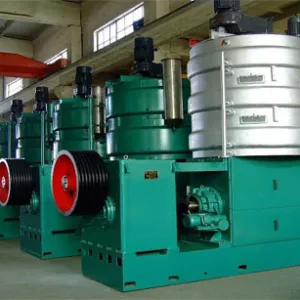
If you're running a mid-to-large scale sesame oil production line, every hour of unplanned downtime costs more than just money—it impacts your brand reputation and customer trust. That’s why understanding how to maintain your automatic sesame oil press isn’t just good practice—it’s essential.
Regular lubrication of the screw shaft and timely replacement of sealing rings can reduce unexpected breakdowns by up to 40%. This is not theory—it’s what one food processing plant in Gujarat achieved after implementing our recommended maintenance checklist.
A well-maintained automatic sesame oil press doesn't just run longer—it delivers consistent quality. For example, studies show that machines with proper daily cleaning and weekly inspections have an average oil yield increase of 5–7% compared to those operated without structured care.
| Maintenance Task | Frequency | Impact on Performance |
|---|---|---|
| Clean filter screen | After each batch | Prevents clogging, improves flow rate |
| Lubricate screw bearing | Weekly | Reduces friction-related wear by 30% |
| Inspect hydraulic seals | Monthly | Avoids leaks that cause pressure drops |
Here are three issues most commonly reported by operators:
Real-world results matter. One client in Nigeria reduced their annual maintenance cost from $22,000 to under $7,000 after adopting our standardized maintenance calendar—and increased uptime by 35%.
Download our free PDF checklist: “5 Critical Steps to Extend Your Sesame Oil Press Life by 3 Years”. It includes a printable schedule, part replacement guide, and troubleshooting flowchart tailored for industrial use.
Download Now – Free PDF ChecklistWhether you're managing a 1-ton-per-hour unit or a 5-ton automated line, consistency in maintenance equals consistency in profit. Don’t wait for failure—plan ahead.