
Sesame oil has witnessed a significant surge in demand across the globe in recent years. According to a market research firm, the global sesame oil market size was valued at approximately $X billion in 2022 and is projected to grow at a CAGR of X% from 2023 to 2030. This growth can be attributed to the increasing consumer awareness of its health benefits and its versatile applications in various industries.
Regionally, Asia-Pacific holds the largest share of the sesame oil market, accounting for about X% of the global market in 2022. This is mainly due to the long - standing tradition of using sesame oil in cooking and traditional medicine in countries like China, India, and Japan. North America and Europe are also emerging as significant markets, with a growing demand for natural and healthy food ingredients.

In the food industry, sesame oil is a popular choice for cooking, salad dressings, and flavoring. It adds a rich, nutty flavor to dishes. For example, in Chinese cuisine, sesame oil is often used in stir - fries and as a finishing oil for dumplings. In Western countries, it is increasingly being used in gourmet restaurants for its unique taste. The global demand for sesame oil in the food industry is expected to reach $X billion by 2030, growing at a CAGR of X%.
Sesame oil is rich in antioxidants, vitamins, and minerals, which contribute to its numerous health benefits. It has anti - inflammatory, antibacterial, and antioxidant properties. Many health supplements now include sesame oil as an ingredient. The market for sesame oil in the healthcare and supplement industry is expected to grow at a CAGR of X% from 2023 to 2030, reaching $X million by 2030.
In the cosmetics and personal care industry, sesame oil is used in skin creams, lotions, and hair products. It helps to moisturize the skin and hair, and also has anti - aging properties. The demand for sesame oil in this industry is growing steadily, with a projected CAGR of X% from 2023 to 2030, and is expected to reach $X million by 2030.
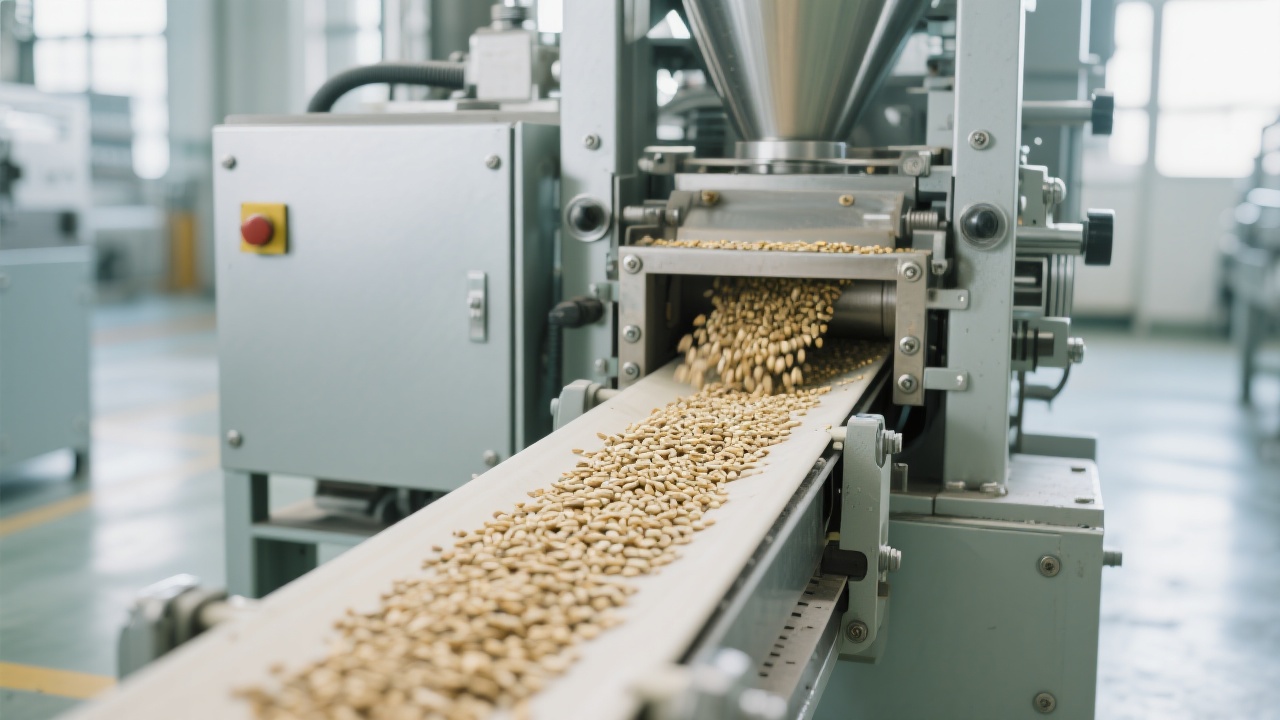
Advancements in processing technology have significantly improved the quality and efficiency of sesame oil production. New extraction methods, such as cold - pressing, help to retain more nutrients and flavor in the oil. Some companies are also using innovative filtration techniques to produce a clearer and purer sesame oil. These technological upgrades not only enhance the product quality but also increase the brand value of sesame oil products.
The sesame oil market is highly competitive, with many players vying for market share. Large - scale companies often have an advantage in terms of production capacity and distribution networks. However, small and medium - sized enterprises can focus on niche markets, such as organic or artisanal sesame oil. To stay competitive, companies need to invest in research and development, improve product quality, and develop effective marketing strategies.
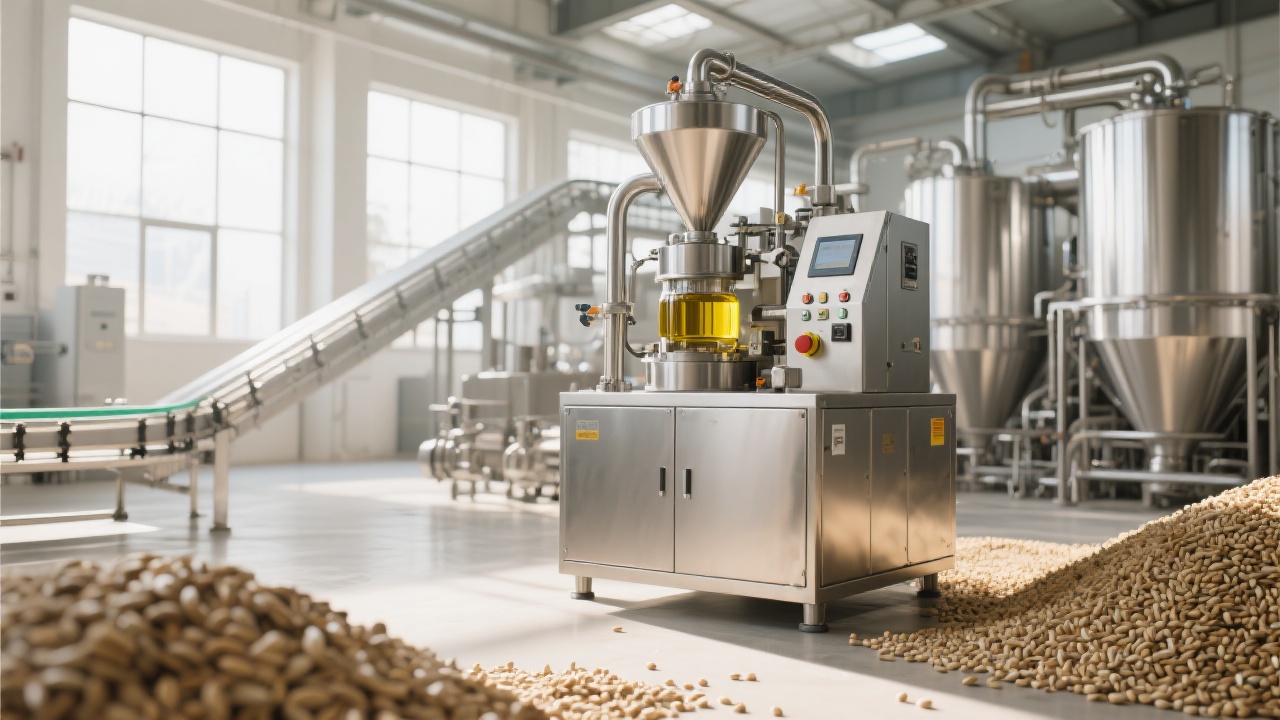
Are you looking to enter the booming sesame oil market or expand your existing sesame oil business? Our high - quality sesame oil and advanced sesame oil pressing machines can help you achieve your goals. Don't miss out on this lucrative opportunity! Click here to learn more.






.jpg?x-oss-process=image/resize,m_fill,h_300,w_300/format,webp)

