
In today’s competitive global market, sesame oil producers are no longer just competing on price—they’re winning through quality, consistency, and compliance. Whether you're targeting premium food markets in Europe or supplying cosmetics manufacturers in North America, the pressing method you choose directly impacts your product’s shelf life, nutritional value, and export potential.
The choice between cold-pressing and hot-pressing isn’t merely technical—it’s strategic. Cold-pressed sesame oil typically operates below 40°C (104°F), preserving heat-sensitive nutrients like vitamin E, sesamin, and phytosterols. In contrast, hot-pressing (around 80–100°C / 176–212°F) boosts yield but degrades these compounds by up to 30% according to a 2023 study published in Food Chemistry.
| Feature | Cold-Pressing | Hot-Pressing |
|---|---|---|
| Avg. Yield (%) | 42–46% | 50–55% |
| Vitamin E Retention | ~90% | ~60% |
| Oxidative Stability (Rancidity Time) | ≥ 18 months | ≤ 12 months |
For exporters aiming at health-conscious consumers in Germany or clean-label buyers in the U.S., cold-pressed oils offer clear advantages—not only in nutrition but also in brand positioning. Meanwhile, industrial users in Asia may still prefer hot-pressed for cost efficiency, though they often require additional refining steps that increase complexity and risk of contamination.
Leading manufacturers are adopting low-temperature continuous press systems with real-time temperature monitoring—reducing human error and ensuring batch-to-batch uniformity. These setups can improve output consistency by up to 25%, as seen in pilot plants across India and Nigeria.
Moreover, multi-stage filtration using ceramic membranes and activated carbon not only removes impurities but also enhances clarity and shelf stability without chemical additives—a must-have for EU-certified products.
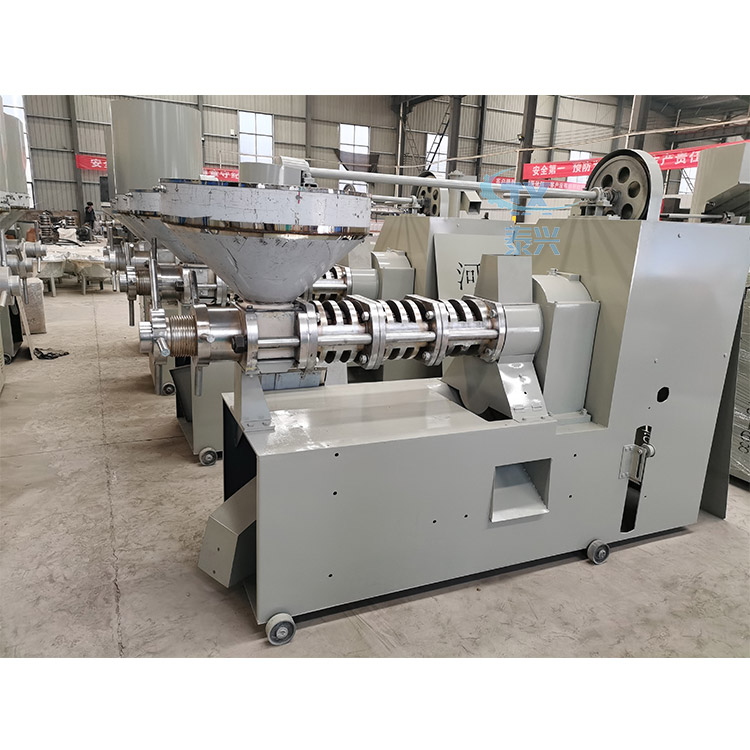
If your current setup relies on traditional batch presses, consider upgrading to automated systems—even small-scale operations can benefit from modular solutions tailored to 50–200 kg/h capacities. For example, one Chinese exporter increased their export order volume by 40% within six months after switching to a semi-automated cold-press system certified under ISO 22000.
And don’t overlook certification—it’s not just a checkbox. HACCP, ISO 22000, and even Kosher/Halal labels open doors to high-value markets where compliance is non-negotiable.
Your product may be excellent—but if it lacks process transparency and international standards, it won't stand out on global shelves.
Is your sesame oil struggling to gain traction abroad? The bottleneck might not be marketing—it could be your pressing method.






.jpg?x-oss-process=image/resize,m_fill,h_300,w_300/format,webp)

