In recent years, the global sesame oil market has witnessed significant growth. According to market research, the global sesame oil market size was valued at approximately $X billion in 2022 and is expected to grow at a CAGR of X% from 2023 to 2030. This growth is driven by various factors, including increasing consumer awareness of the health benefits of sesame oil and its diverse applications in different industries.
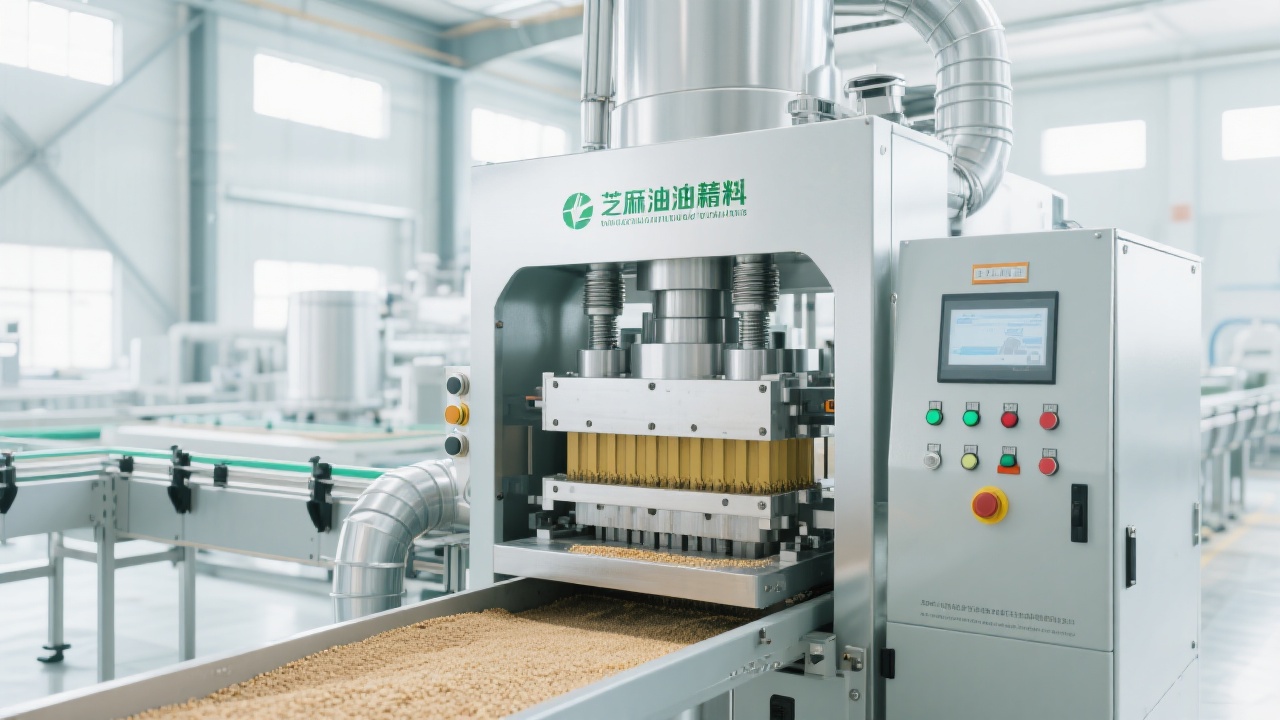
The supply - demand dynamics of the sesame oil market vary across regions. Asia, particularly India and China, are major producers of sesame oil, accounting for about X% of the global production. On the demand side, North America and Europe are significant consumers due to the growing popularity of healthy and natural food products. The competition in the market is intense, with both large - scale manufacturers and small - to - medium - sized enterprises vying for market share. Large companies often have an advantage in terms of brand recognition and distribution networks, while SMEs can focus on niche markets and product differentiation.
Sesame oil is rich in antioxidants, vitamins, and healthy fats, making it a valuable ingredient in the food,保健品, and cosmetics industries. In the food industry, it is used for cooking, salad dressings, and flavoring. In the food industry, the use of sesame oil has increased by X% in the past five years. In the health supplement sector, its anti - inflammatory and antioxidant properties are highly valued. In cosmetics, sesame oil is used for its moisturizing and nourishing effects on the skin and hair. These diverse applications have contributed to the growth of sesame oil consumption.
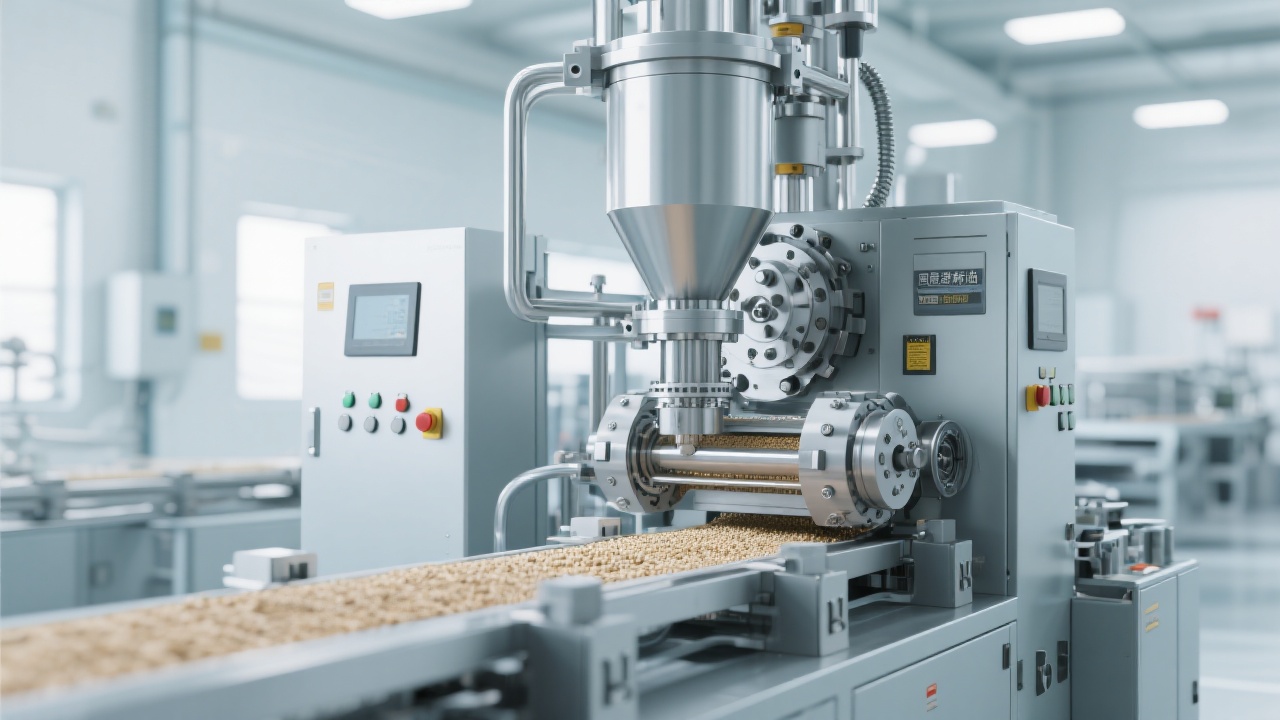
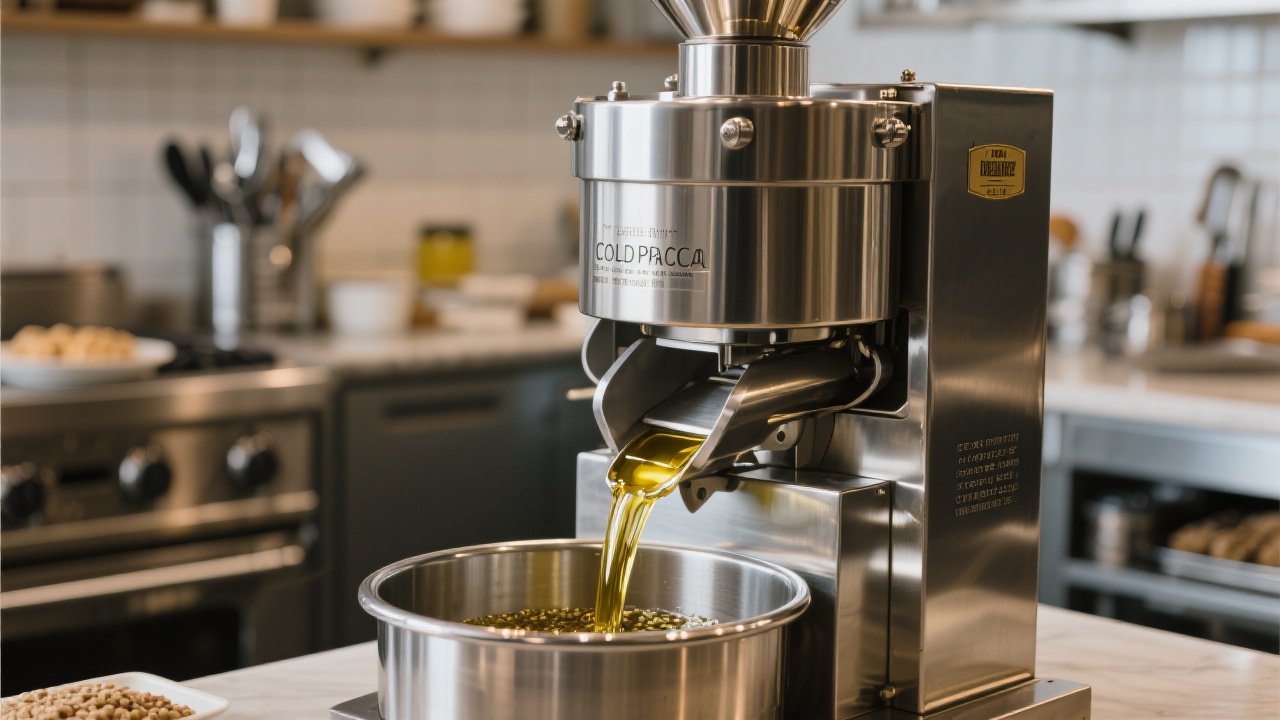
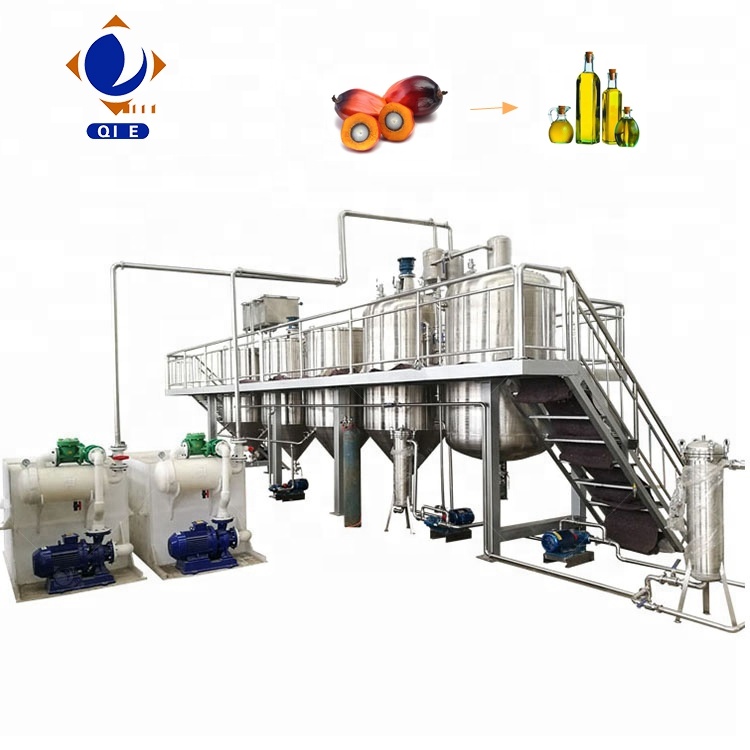
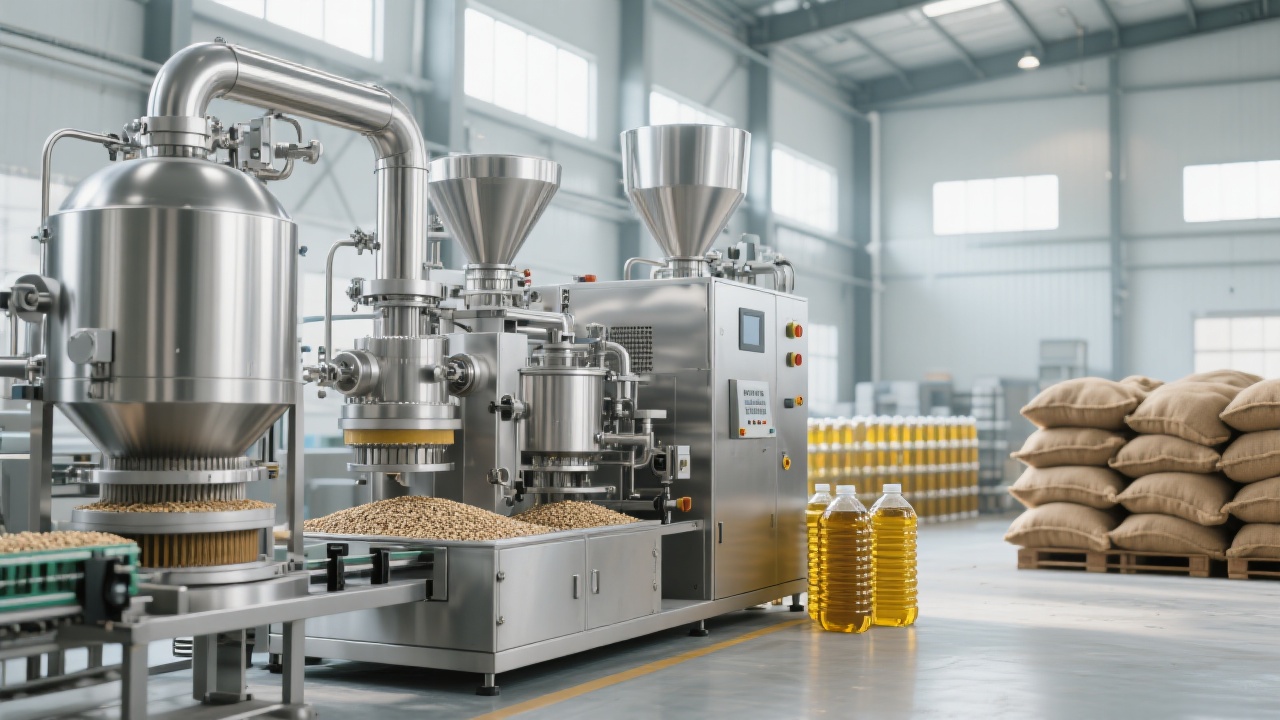
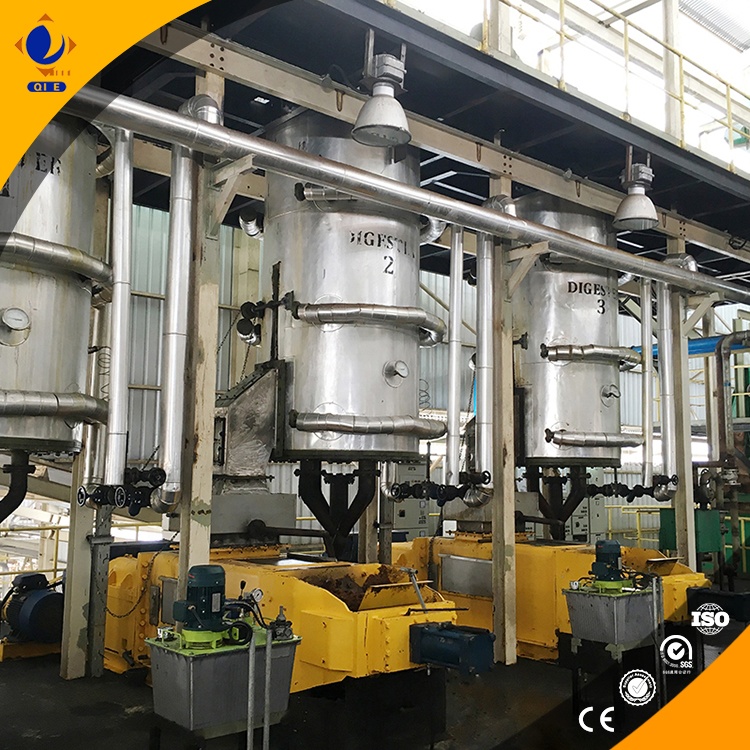
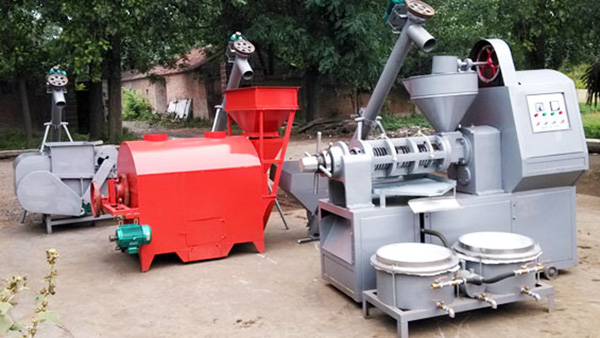
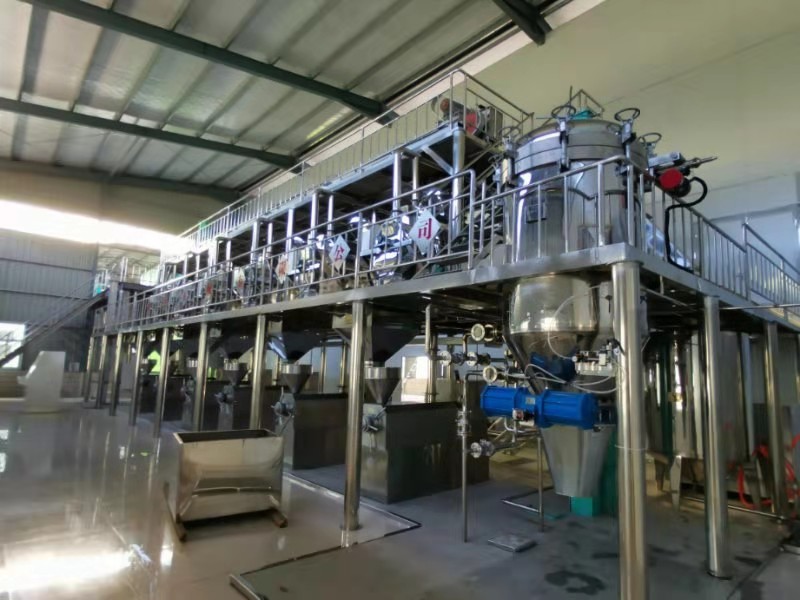
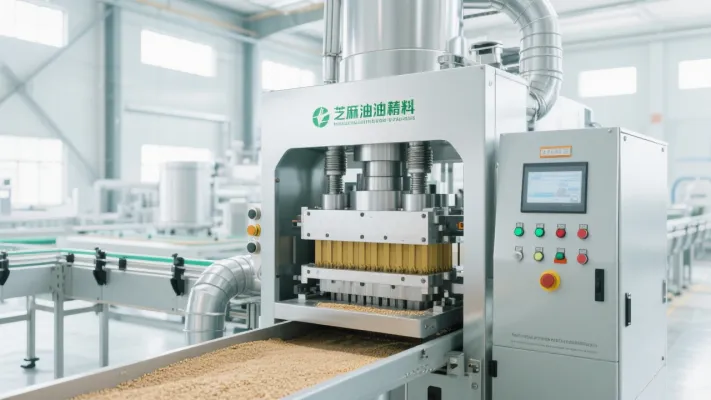
Advanced sesame oil processing technologies play a crucial role in product differentiation. Cold - pressing technology can retain more nutrients and natural flavors of sesame seeds, resulting in a high - quality, premium - grade product. Hot - pressing technology, on the other hand, can achieve higher oil yields. Automation in the production process can improve efficiency, reduce labor costs, and ensure product consistency. For example, companies using advanced automation equipment can increase their production capacity by up to X% compared to traditional methods.
There are several successful cases of companies using technology upgrades to enhance their brand image and market share. One company introduced a new cold - pressed sesame oil product with a unique packaging design and marketing campaign. As a result, its market share in the premium sesame oil segment increased by X% within a year. Another company adopted advanced automation technology, which not only improved product quality but also reduced production costs by X%, allowing it to offer more competitive prices in the market.
For large - scale enterprises, they can focus on mass - market products and brand building through extensive advertising and distribution channels. SMEs can target niche markets, such as organic or artisanal sesame oil, and use social media and online platforms for targeted marketing. By positioning their products based on unique selling points, such as processing technology, origin of sesame seeds, or specific health benefits, companies can attract different customer segments.

In conclusion, the sesame oil market offers significant opportunities for growth. By leveraging advanced processing technologies, understanding market trends, and implementing effective marketing strategies, companies can achieve product differentiation and enhance their competitiveness in the global market. If you are interested in learning more about our advanced sesame oil products and how they can benefit your business, click here to contact us.

 385
|
385
|
 oilseed pretreatment production line benefits
customized oilseed processing machinery
comprehensive service for oil extraction equipment
oilseed pretreatment production line benefits
customized oilseed processing machinery
comprehensive service for oil extraction equipment
 130
|
mid-sized peanut oil extraction machine
high-efficiency peanut oil press
eco-friendly peanut oil equipment
African peanut oil production
sustainable agricultural machinery
130
|
mid-sized peanut oil extraction machine
high-efficiency peanut oil press
eco-friendly peanut oil equipment
African peanut oil production
sustainable agricultural machinery
 71
|
oilseed preprocessing equipment
high-efficiency plant oil production solutions
customized oilseed processing technology
107
|
oilseed processing equipment customization
scalable oilseed pre-treatment solutions
versatile oilseed extraction systems
71
|
oilseed preprocessing equipment
high-efficiency plant oil production solutions
customized oilseed processing technology
107
|
oilseed processing equipment customization
scalable oilseed pre-treatment solutions
versatile oilseed extraction systems
 489
|
peanut oil production process
hot-pressed peanut oil technique
cold-pressed peanut oil technique
489
|
peanut oil production process
hot-pressed peanut oil technique
cold-pressed peanut oil technique