.jpg?x-oss-process=image/resize,h_400,m_lfit/format,webp)
In the realm of sesame oil production, the choice between cold pressing and hot pressing is a critical decision that can significantly impact the quality, aroma, and nutritional value of the final product. This article delves deep into these two mainstream sesame oil pressing processes, providing a detailed comparison of their operational procedures, temperature control requirements, and effects on oil quality and nutritional content. By leveraging scientific data and real - world case studies, we aim to assist production enterprises of all sizes in selecting the most suitable sesame oil press and process.
Cold pressing is a gentle extraction method that involves processing sesame seeds at low temperatures, typically below 60°C. This process is designed to preserve the natural nutrients and delicate aroma of the sesame seeds. During cold pressing, the sesame seeds are first cleaned and then fed into the press. The low - temperature environment ensures that the oil is not exposed to high heat, which helps retain the antioxidants, vitamins, and fatty acids present in the seeds. For example, cold - pressed sesame oil can retain up to 90% of its natural antioxidants, which are beneficial for health and can extend the shelf - life of the oil.
.jpg)
One of the key advantages of cold pressing is its ability to produce high - quality, pure oil with a light and natural flavor. However, the oil yield in cold pressing is relatively low, usually around 30% - 35%. This means that more raw materials are required to obtain the same amount of oil compared to hot pressing.
Hot pressing, on the other hand, involves heating the sesame seeds to a higher temperature, typically between 120°C - 180°C, before pressing. This process increases the fluidity of the oil within the seeds, resulting in a higher oil yield, which can reach up to 45% - 50%. The high - temperature treatment also enhances the aroma of the sesame oil, giving it a rich, nutty flavor that is popular in many cuisines.
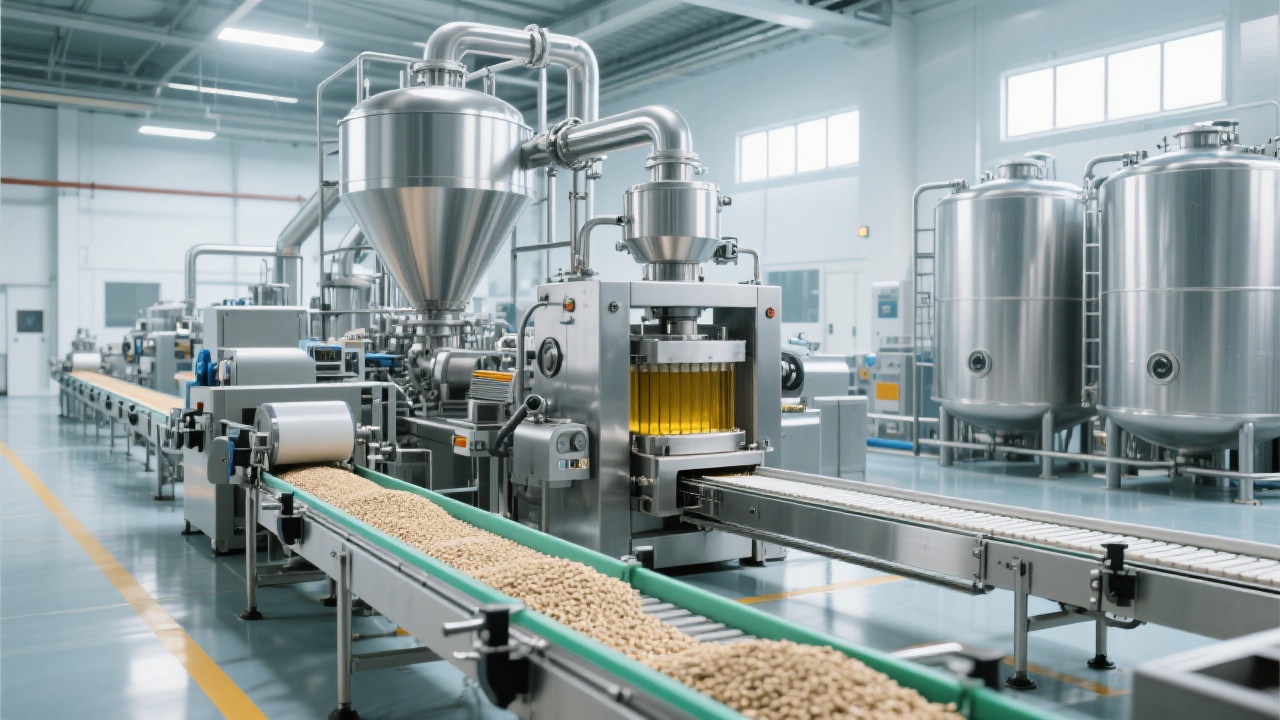
However, the high temperature can cause some of the nutrients in the sesame seeds to degrade. For instance, the content of certain vitamins may be reduced by up to 20% during hot pressing. Despite this, hot - pressed sesame oil is still widely used in the food industry due to its strong aroma and high oil yield.
The choice of sesame oil press depends largely on the production scale of the enterprise. For small - scale producers, a manual or semi - automatic cold press may be sufficient. These presses are relatively inexpensive, easy to operate, and suitable for producing small batches of high - quality oil. They can typically process up to 100 kg of sesame seeds per day.
Medium - scale producers may opt for fully automatic cold or hot presses. These machines can handle larger volumes of raw materials, with a daily processing capacity of 100 - 500 kg. They often come with advanced features such as temperature control and automatic feeding systems, which can improve production efficiency and reduce labor costs.
Large - scale producers, on the other hand, require high - capacity industrial presses. These presses can process more than 500 kg of sesame seeds per day and are designed for continuous operation. They are equipped with state - of - the - art technology to ensure high oil yield, consistent quality, and efficient production.
| Production Scale | Recommended Press Type | Daily Processing Capacity |
|---|---|---|
| Small - scale | Manual/Semi - automatic Cold Press | Up to 100 kg |
| Medium - scale | Fully Automatic Cold/Hot Press | 100 - 500 kg |
| Large - scale | High - Capacity Industrial Press | Over 500 kg |
The sesame oil pressing industry is constantly evolving, with new technologies emerging to improve production efficiency, reduce energy consumption, and enhance product quality. Automation control technology is one such trend. Modern presses are increasingly equipped with automated systems that can precisely control the temperature, pressure, and feeding speed, ensuring consistent product quality. For example, some advanced presses can adjust the pressing parameters in real - time based on the moisture content and quality of the sesame seeds.
Energy - saving and consumption - reducing technologies are also gaining popularity. Newer presses are designed to use less electricity and water, which can significantly reduce production costs in the long run. Additionally, technologies for enhancing oil quality, such as advanced filtration systems, are being developed to remove impurities and improve the clarity and purity of the sesame oil.

Sesame oil is widely used in the food, health supplement, and cosmetic industries. In the food industry, cold - pressed sesame oil is often used in salad dressings, dips, and gourmet cooking due to its light flavor and high nutritional value. Hot - pressed sesame oil, with its strong aroma, is popular in stir - fries and traditional dishes. In the health supplement industry, sesame oil is valued for its health - promoting properties, such as its ability to reduce cholesterol levels and improve skin health. In the cosmetic industry, both cold - and hot - pressed sesame oil can be used in skincare products for their moisturizing and nourishing effects.
If you are in the food, health supplement, or cosmetic industry and are looking to enhance your production efficiency and product quality, choosing the right sesame oil press and process is crucial. We invite you to learn more about the sesame oil pressing equipment suitable for your production scale and take the first step towards achieving your business goals.





.jpg?x-oss-process=image/resize,m_fill,h_300,w_300/format,webp)