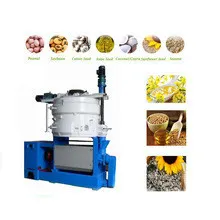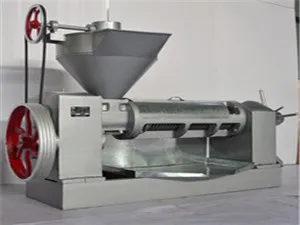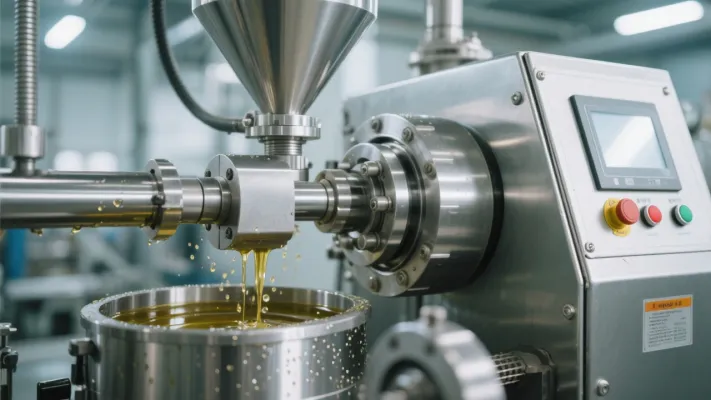
Your small-scale sesame oil press is a vital part of your home workshop, transforming raw sesame seeds into valuable, healthy oil. But just like any machine, it needs proper care to keep running efficiently and ensure the oil quality remains top-notch. Neglecting maintenance can lead to reduced oil yield, increased noise, and costly breakdowns. Don’t let your machine slowly “fall sick” — here are 5 practical and easy-to-follow maintenance tips that could help you extend your equipment’s life by up to 30%.
After every use, make sure to clean the machine thoroughly. Residual sesame seed particles and oil can accumulate in the pressing chamber and on moving parts, which accelerates rust and wear. Experts recommend cleaning your press at least once a week if used daily — this habit alone can extend the lifespan by nearly a third.
Pro Tip:
Use a soft brush and warm, non-corrosive cleaning solutions. Avoid harsh chemicals that can damage the metallic surfaces or contaminate your oil.
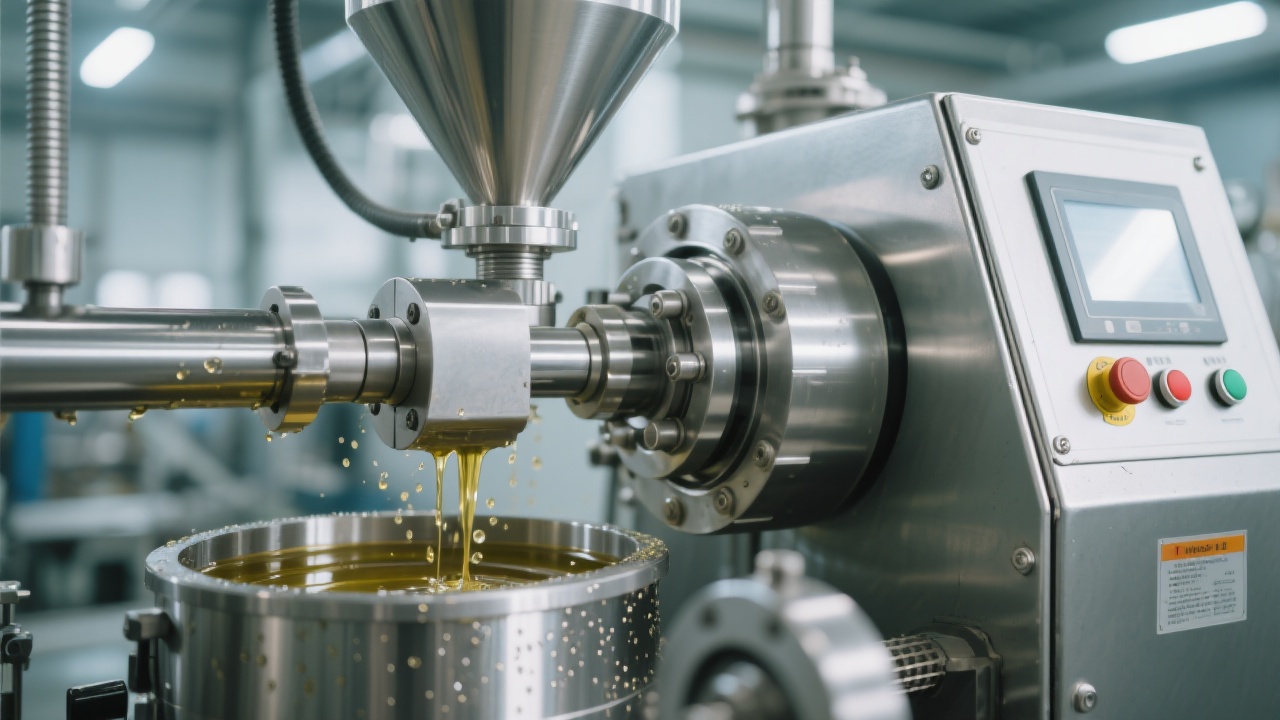
Friction is the enemy of mechanical parts. Your sesame oil machine’s motor and gears require regular lubrication to reduce wear and prevent overheating. Apply food-grade lubricants to the bearings and chains every 2-3 weeks depending on usage intensity. Skipping this step can cause noisy operations and eventually motor failure.
Data Insight:
Proper lubrication can reduce breakdown frequency by up to 40%, saving you repair costs and downtime.
Never overload your press beyond its daily capacity, and always follow the manufacturer’s operation guidelines. Excessive pressure or continuous overuse without breaks leads to motor overheating and premature component failure. For home use, take breaks every hour during continuous pressing to cool down the machine.
Remember, treating your machine gently means it will serve you longer and produce better quality oil.
Filters and screens collect impurities to ensure clear, pure sesame oil. Over time, these can clog and reduce pressing efficiency. Check them biweekly, and replace or clean when you see reduced output or signs of oil discoloration. A clogged filter can decrease oil yield by 15–20% and risk damaging internal parts.
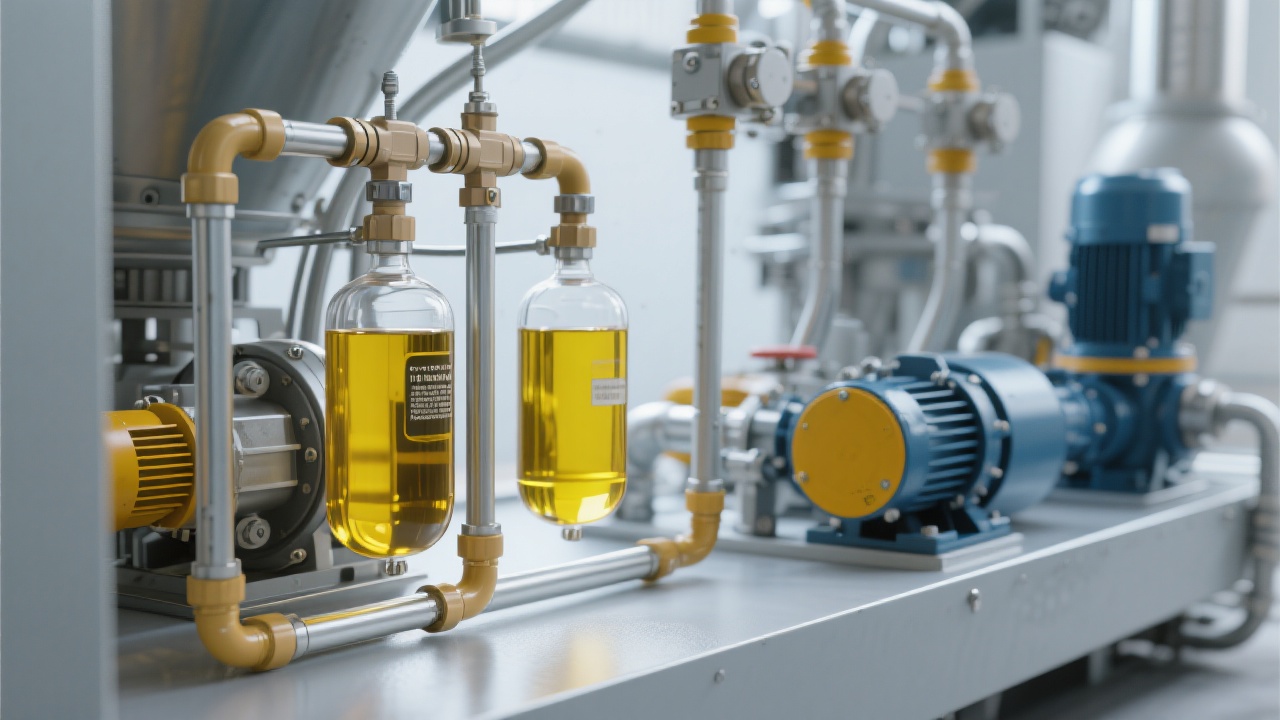
Your machine “speaks” to you through changes in sound, temperature, or output rate. Pay attention to any unusual noise, slower pressing, or overheating. These early warning signs should trigger inspections or professional servicing before severe damage occurs. Setting up a monthly check-up routine can prevent unexpected breakdowns and extend your machine’s effective lifespan.
| Maintenance Task | Frequency | Expected Benefits |
|---|---|---|
| Cleaning the press & chamber | Weekly | Extend lifespan by 30%; prevents rust |
| Lubrication of moving parts | Every 2-3 weeks | Reduce breakdowns by 40%; quieter operation |
| Filter and screen replacement | Biweekly | Maintain oil quality; prevent blockages |
| Fault inspection | Monthly | Early problem detection; reduce costly repairs |
Don't let your sesame oil machine silently suffer from neglect—by applying these simple maintenance steps, you can add at least 2 more years of productive life to your investment. A well-maintained machine not only saves repair bills but ensures each drop of sesame oil is as fresh and nutritious as possible.
Your sesame oil machine might be “speaking” to you—what unusual signs has your machine shown lately? Share your experience in the comments below and let’s keep your home press running smoothly together!